RV DetailsStock #: 20456
ConditionUsed
GVWR
FloorplanCOUGAR
Water Cap.
Self-ContainedNo
LevelingNo
Description
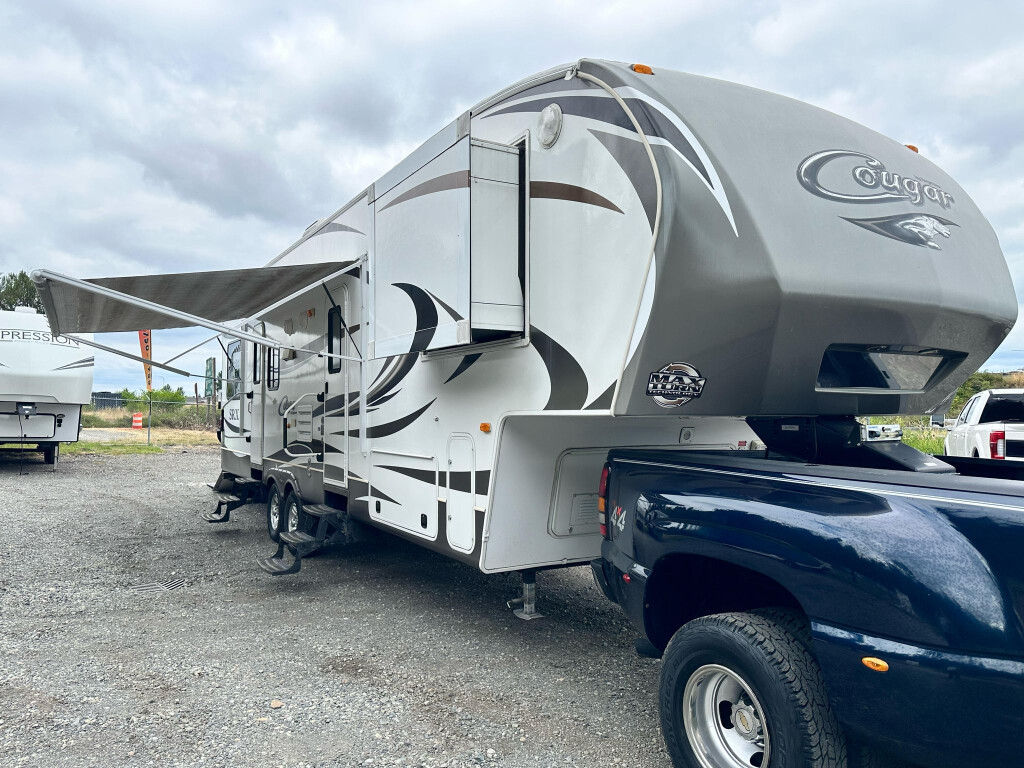
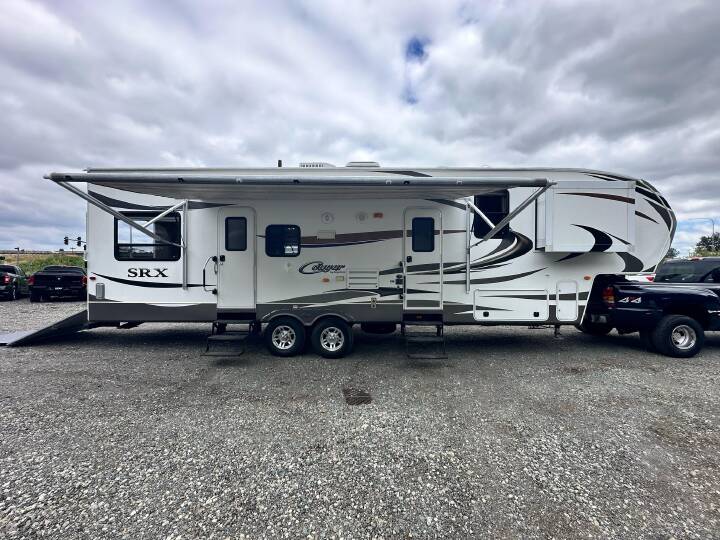
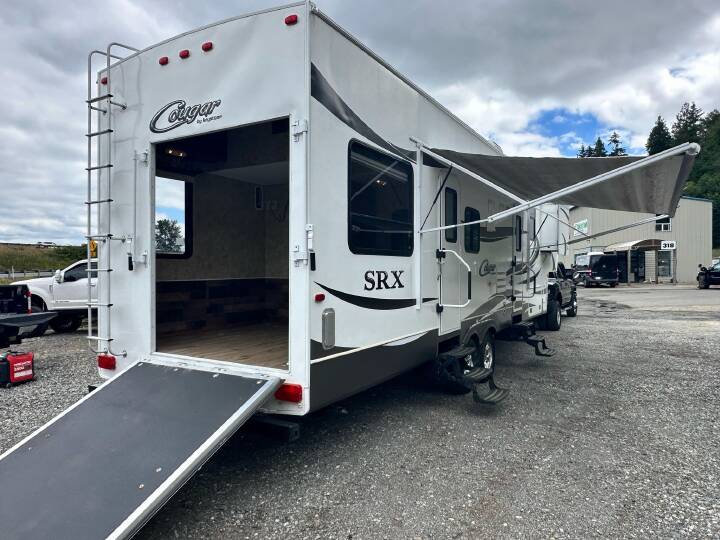
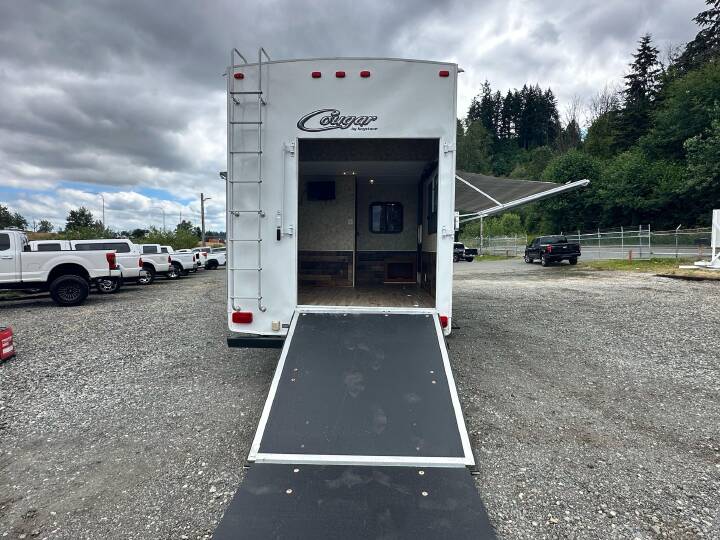
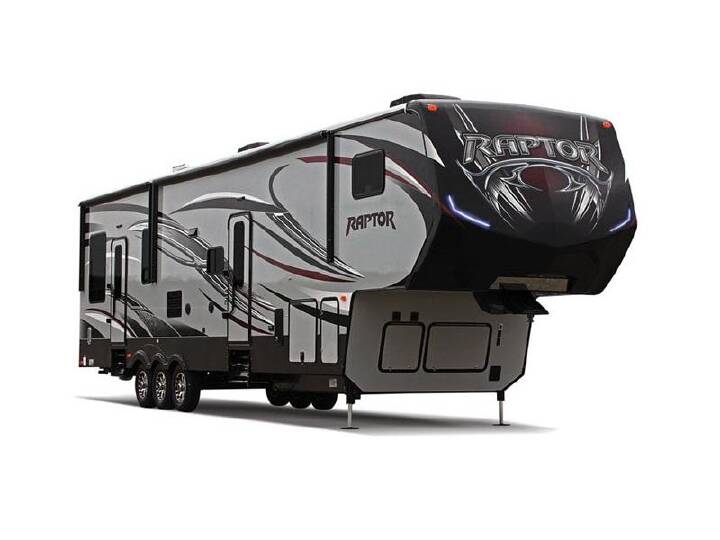
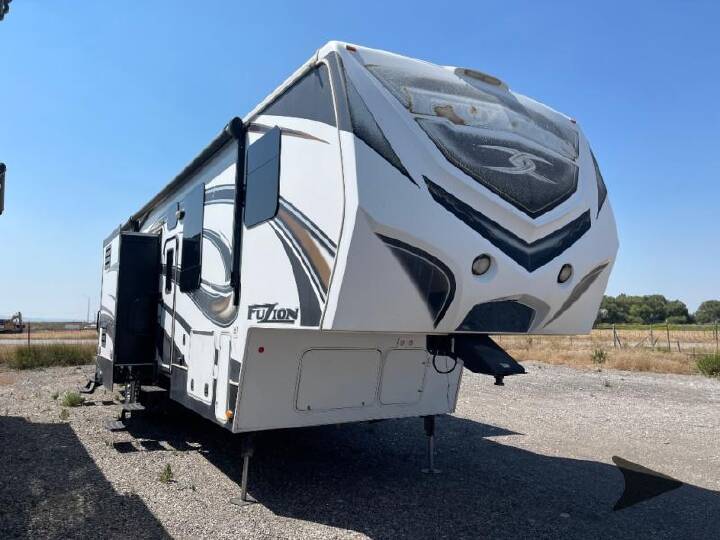
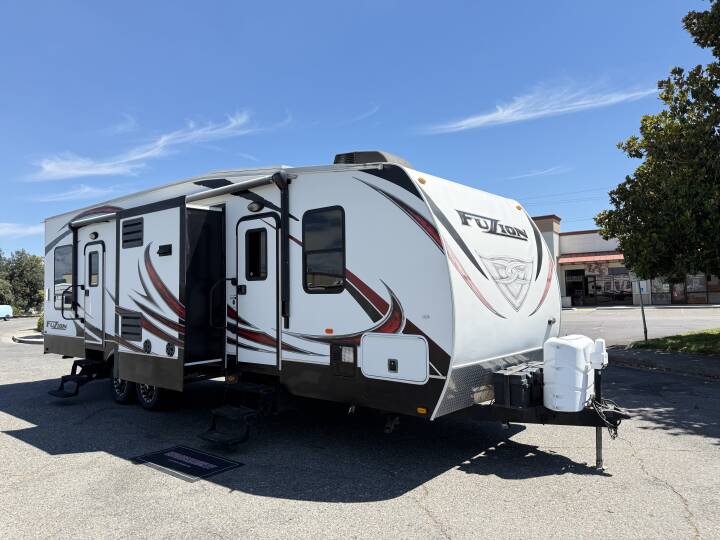
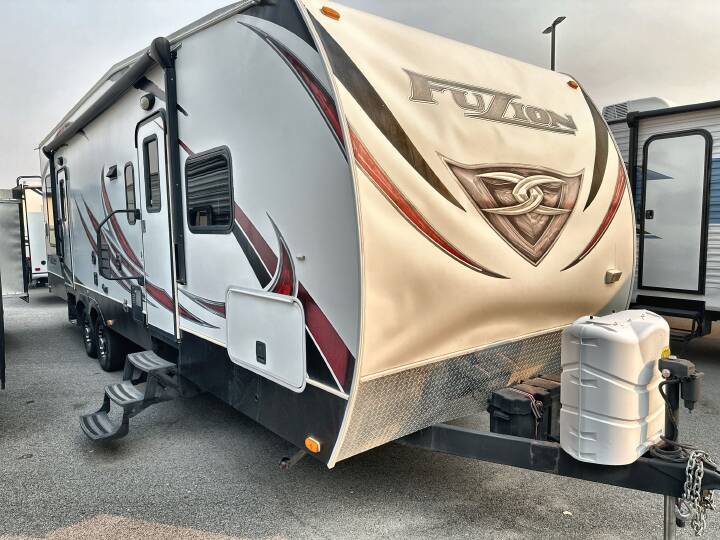
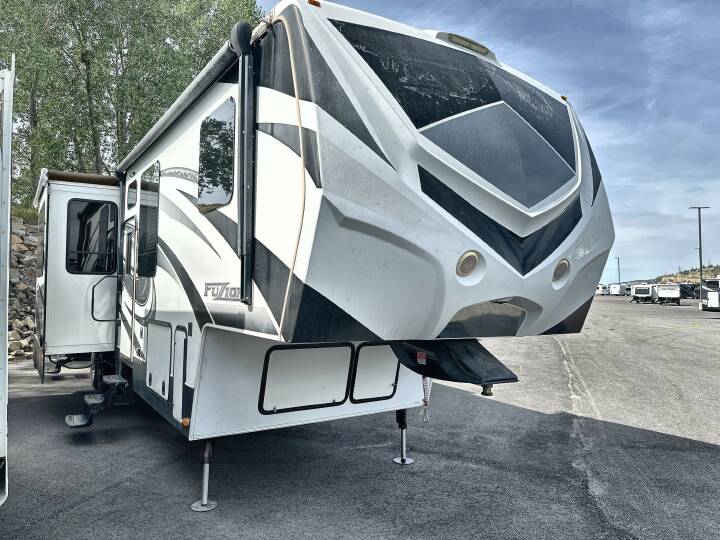
2012 Keystone Cougar, The 2012 Keystone Cougar is a towable RV built with a focus on practical travel use and familiar domestic amenities. Its exterior carries the proportions and finish expected from a mid-size towable coach of its era, with a molded front profile, smooth sidewalls, and a standard entry arrangement. The body includes integrated windows along the living area, exterior compartment doors, and a rear wall shaped to match the intended travel trailer form. The side access points and service openings are positioned for routine campsite use, and the overall structure reflects the common construction approach Keystone used in this model line during that period. Roofline transitions are clean and uncomplicated, and the trim pieces are fitted in a way that supports straightforward ownership rather than ornament.
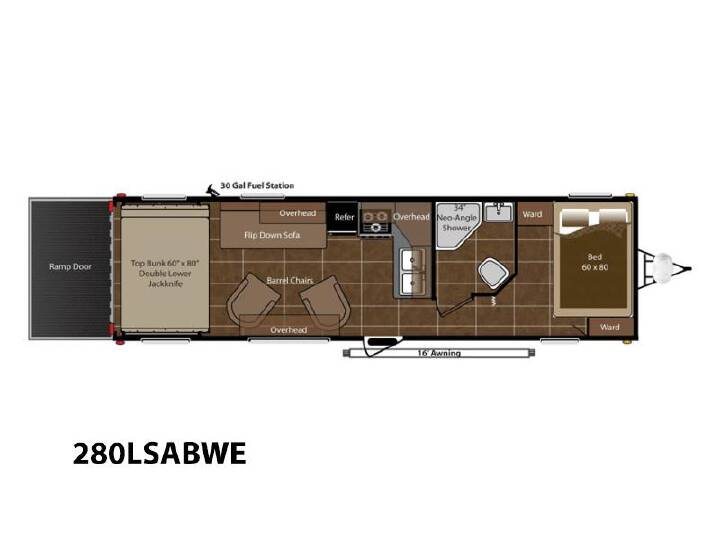
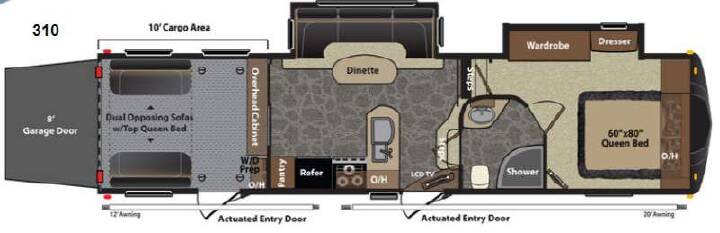
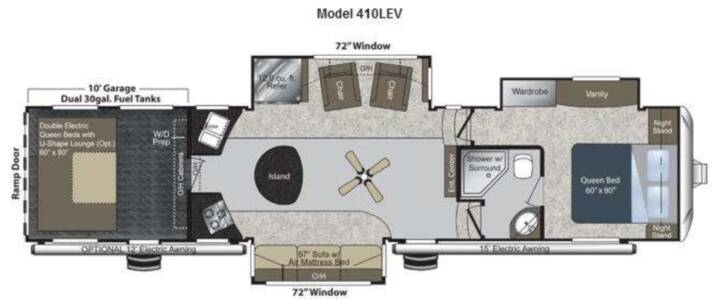
Inside, the Cougar provides a living space arranged around the needs of daily camping. Cabinetry runs along the main interior areas, with overhead storage, lower compartments, and fixed surfaces placed for general use. The flooring changes by zone, with harder-wearing material in the traffic areas and softer finish in other portions of the cabin. Seating is placed near the central living section, and the upholstery uses a neutral palette that fits the rest of the interior. Windows bring in natural light from multiple sides, and the wall treatment remains consistent with a mid-2010s RV interior. The ceiling height, aisle width, and furniture placement are all set within the limits of a towable trailer of this type, leaving enough room for regular movement between the main living and rest areas.
The kitchen area includes the standard fixtures expected in a travel trailer from this model year. A countertop section is provided for food preparation, with a sink set into the work surface and storage located above and below it. The cooking equipment is installed within easy reach of the main prep area, and the refrigerator occupies a dedicated space along the same side of the cabin. The cabinetry surrounding these components follows the same wood-tone finish seen elsewhere in the interior. A separate dining surface is available nearby, with seating that allows use during meals or as part of the general living area. The arrangement places the most frequently used items together without unnecessary complexity, and the placement of each piece is consistent with the compact space available in a towable coach.
The private and utility sections are handled with the same direct approach. Sleeping accommodations are divided into designated areas, with mattresses, surrounding storage, and access pathways kept simple. Bathroom fixtures are enclosed within a separate room, and the space includes the expected toilet, sink, and bathing hardware found in a trailer of this class. Climate equipment is installed for interior temperature control, and the trailer also includes lighting, electrical outlets, and the usual contr
Inside, the Cougar provides a living space arranged around the needs of daily camping. Cabinetry runs along the main interior areas, with overhead storage, lower compartments, and fixed surfaces placed for general use. The flooring changes by zone, with harder-wearing material in the traffic areas and softer finish in other portions of the cabin. Seating is placed near the central living section, and the upholstery uses a neutral palette that fits the rest of the interior. Windows bring in natural light from multiple sides, and the wall treatment remains consistent with a mid-2010s RV interior. The ceiling height, aisle width, and furniture placement are all set within the limits of a towable trailer of this type, leaving enough room for regular movement between the main living and rest areas.
The kitchen area includes the standard fixtures expected in a travel trailer from this model year. A countertop section is provided for food preparation, with a sink set into the work surface and storage located above and below it. The cooking equipment is installed within easy reach of the main prep area, and the refrigerator occupies a dedicated space along the same side of the cabin. The cabinetry surrounding these components follows the same wood-tone finish seen elsewhere in the interior. A separate dining surface is available nearby, with seating that allows use during meals or as part of the general living area. The arrangement places the most frequently used items together without unnecessary complexity, and the placement of each piece is consistent with the compact space available in a towable coach.
The private and utility sections are handled with the same direct approach. Sleeping accommodations are divided into designated areas, with mattresses, surrounding storage, and access pathways kept simple. Bathroom fixtures are enclosed within a separate room, and the space includes the expected toilet, sink, and bathing hardware found in a trailer of this class. Climate equipment is installed for interior temperature control, and the trailer also includes lighting, electrical outlets, and the usual contr
Explore related categories and searches
Dealer information
Truck City RV Sales
$14,999
Contact the seller
Call the dealer
(253) 289-3892
RV code: 4237